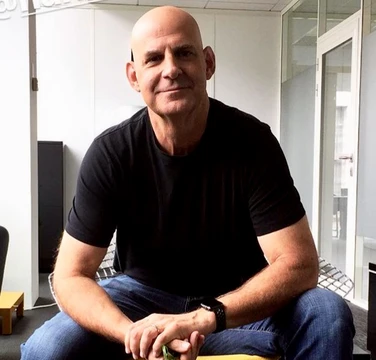
Dan Brown
American thriller writer known for Robert Langdon series.

Daniel Gerhard Brown, known as Dan Brown, is an American writer best known for his thriller novels, particularly the Robert Langdon series. His works, including *The Da Vinci Code* and *Angels & Demons*, have sold over 200 million copies as of 2012 and have been translated into 57 languages. His novels, often centered on cryptography, art, and conspiracy theories, have sparked widespread controversy and debate, particularly regarding their engagement with Christian themes and historical fiction. Brown states on his website that his books are not anti-Christian and that he is on a 'constant spiritual journey' himself.
- born
- June 22, 1964
- field
- Writer
- nationality
- American
- known_for
- Robert Langdon series, including *The Da Vinci Code*
Verified Timeline
Lore & Background
Dan Brown was born on June 22, 1964, in Exeter, New Hampshire, and grew up on the campus of Phillips Exeter Academy, where his father taught mathematics and wrote textbooks from 1968 until his retirement in 1997. His mother, a church organist, descended from Pennsylvania Dutch Schwenkfelders. Brown was raised Episcopalian but gravitated away from religion after studying astronomy and cosmology in eighth or ninth grade, later stating in a 2009 interview that he came 'full circle' to see 'an order and a spiritual aspect to science.' His childhood, filled with codes and treasure hunts devised by his father on birthdays and holidays, inspired elements in his novels, such as the relationship between Sophie Neveu and Jacques Saunière in *The Da Vinci Code*, and Chapter 23 of that novel was inspired by one of his childhood treasure hunts. After graduating from Amherst College in 1986 with double majors in English and Spanish, Brown pursued a musical career, self-producing a children's cassette titled *SynthAnimals* and a CD titled *Perspective*, each selling a few hundred copies. He later taught at Phillips Exeter and at Lincoln Akerman School. Inspired by Sidney Sheldon's novel *The Doomsday Conspiracy* while on vacation in Tahiti in 1993, he began writing thrillers. His first three novels had little success, with fewer than 10,000 copies in each of their first printings, but his fourth, *The Da Vinci Code* (2003), became a bestseller, with 81 million copies sold worldwide as of 2009. Three of his works—*Angels & Demons*, *The Da Vinci Code*, and *Inferno*—have been adapted into films, while *The Lost Symbol* was adapted into a 2021 television series.
Reader's Guide
Dan Brown's significance lies in his ability to blend thriller conventions with puzzles, cryptography, and historical and religious themes, creating a formula that resonated with a massive global audience. His novels, particularly *The Da Vinci Code*, sparked widespread public debate about Christian history and conspiracy theories, making him a central figure in popular culture's engagement with these topics. Despite criticism from some religious and historical scholars, Brown's works have been defended by him as catalysts for spiritual discussion and introspection. His commercial success, with over 200 million copies sold as of 2012 and translations into 57 languages, underscores his impact on the publishing industry. The adaptations of his works into films and a television series further extended his reach. Brown's legacy includes not only his bestsellers but also his role in popularizing the treasure-hunt narrative structure and the use of ambigrams and codes in fiction. His later works, such as *Origin* (2017) and *The Secret of Secrets* (2025), continue the Robert Langdon series, maintaining his relevance in the thriller genre.
Did You Know?
- Brown's father, Richard G. Brown, was a mathematics teacher at Phillips Exeter Academy and wrote textbooks from 1968 until his retirement in 1997.
- Brown's childhood treasure hunts, devised by his father using codes and clues, directly inspired Chapter 23 of *The Da Vinci Code*.
- Brown met his wife, Blythe Newlon, while she was Director of Artist Development at the National Academy of Songwriters.
- Brown's first three novels each had fewer than 10,000 copies in their first printings before *The Da Vinci Code* became a bestseller.
- As of 2012, Brown's books had sold over 200 million copies and been translated into 57 languages.
The Robert Langdon Universe & Career Trajectory
Dan Brown's literary career is anchored by the Robert Langdon series, a collection of thriller novels that have become a global phenomenon. The series spans from Angels & Demons in 2000 through The Secret of Secrets in 2025, with The Da Vinci Code (2003), The Lost Symbol (2009), Inferno (2013), and Origin (2017) filling the gaps. What distinguishes these books is their compressed, breathless structure—most plots unfold within a single 24-hour window—and their recurring obsessions with cryptography, art history, and conspiracy theories, all wrapped in a treasure-hunt framework. The commercial reach is staggering: as of 2012, Brown's novels had been translated into 57 languages and sold more than 200 million copies worldwide. Hollywood and television have taken notice as well. Three novels—Angels & Demons, The Da Vinci Code, and Inferno—were adapted into feature films, while The Lost Symbol found a second life as a 2021 television series. Together, these adaptations have cemented Brown's characters and plots in popular culture far beyond the bookshelf.
Early Life & Creative Foundations
Born on June 22, 1964, in Exeter, New Hampshire, Daniel Gerhard Brown grew up on the grounds of Phillips Exeter Academy, where his father Richard G. Brown taught mathematics and authored textbooks from 1968 until his 1997 retirement. His mother, Constance, a descendant of Pennsylvania Dutch Schwenkfelders, was trained as a church organist and a student of sacred music. This household—saturated with codes, ciphers, anagrams, and crossword puzzles—became the wellspring of Brown's lifelong fascination with secrets. His father designed elaborate treasure hunts for the children on birthdays and holidays; on Christmas, the family followed a coded map through their home and even around town to locate gifts rather than finding them under a tree. That father-child dynamic later inspired the Sophie Neveu and Jacques Saunière relationship in The Da Vinci Code, and Chapter 23 of the novel drew directly from one of those childhood hunts. Brown attended Exeter's public schools through ninth grade, then spent a summer in Gijón, Spain, learning Spanish before enrolling at Amherst College, where he double-majored in English and Spanish and spent the 1985 school year studying art history in Seville.
The Unlikely Path: Music, Teaching & the Road to Novelty
Before he was a bestselling novelist, Dan Brown was a musician, a teacher, and a singer-songwriter chasing a very different dream. After graduating from Amherst in 1986, he experimented with synthesizer effects and self-produced a children's cassette called SynthAnimals, featuring tracks like "Happy Frogs" and "Suzuki Elephants," which sold a few hundred copies. He then founded his own label, Dalliance, and in 1990 released an adult-oriented CD titled Perspective, again moving only a few hundred units. In 1991 he relocated to Hollywood to pursue a career as a singer-songwriter and pianist, teaching classes at Beverly Hills Preparatory School to make ends meet. It was through the National Academy of Songwriters that he met Blythe Newlon, the academy's Director of Artist Development, who helped promote his projects and eventually became his wife; they married in 1997 at Pea Porridge Pond near Conway, New Hampshire. In 1994 he released another CD, also called Angels & Demons, whose cover featured the same John Langdon ambigram he would later use for his novel. After returning to New Hampshire in 1993, Brown taught English at Phillips Exeter and Spanish at Lincoln Akerman School, a small K-8 campus in Hampton Falls.
Faith, Controversy & Spiritual Identity
The Robert Langdon novels are deeply engaged with Christian themes and historical fiction, a choice that has generated considerable controversy since their publication. Brown has addressed the backlash directly on his personal website, insisting that his books are not anti-Christian and describing himself as someone on a "constant spiritual journey." He frames The Da Vinci Code not as an attack on faith but as "an entertaining story that promotes spiritual discussion and debate," suggesting it can serve "as a positive catalyst for introspection and exploration of our faith." That tension between skepticism and reverence traces back to his childhood. Raised Episcopalian, Brown was "very religious as a kid" until an eighth- or ninth-grade encounter with astronomy and cosmology shattered his certainty. He recalled asking a minister how the Big Bang could coexist with a seven-day creation, only to be told, "Nice boys don't ask that question." He gravitated away from religion, finding science more compelling. Yet years later he described coming "full circle," observing that the deeper one goes into physics, the more it becomes metaphysics, and that "there is an order and a spiritual aspect to science."
Frequently Asked Questions
Who is Dan Brown?
Dan Brown is an American novelist born in 1964 who became a global bestseller by crafting fast-paced thrillers built around cryptography, art history, and religious conspiracy. He is most closely associated with the Robert Langdon series of novels.
What is the Robert Langdon series?
It is a sequence of thriller novels following Harvard symbologist Robert Langdon as he unravels deadly conspiracies tied to art, religion, and ancient codes. The series includes Angels & Demons, The Da Vinci Code, The Lost Symbol, Inferno, and Origin.
Why is The Da Vinci Code so controversial?
The novel sparked heated debate because it weaves fictional conspiracy theories around real Christian history and the figure of Jesus, which many readers and religious groups found provocative. Its blending of fact and fiction made it a lightning rod for discussion about faith and historical accuracy.
How many copies have Dan Brown's books sold?
As of 2012, his novels had passed the 200-million-copy mark worldwide and been translated into 57 languages. This commercial reach cemented his status as one of the most successful authors of the early 2000s.
What themes define Dan Brown's writing?
His plots consistently orbit around cryptography, Renaissance and modern art, and elaborate conspiracies involving religious or scientific institutions. Each story typically races against a ticking clock while the protagonist decodes hidden messages embedded in famous paintings or historical sites.
More in Mystery And Thriller Writers 1-22
Spotted an error? Know more?
This is a living reference — every entry is fact-audited, and reader corrections feed straight into our audit queue. Suggest an edit · See this site's audit record