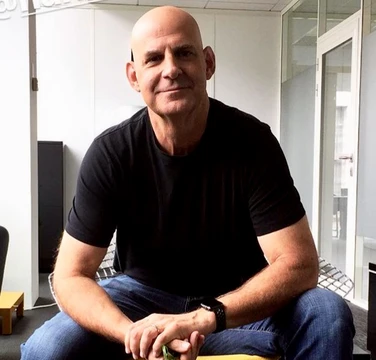
Gillian Flynn
American author of psychological thrillers and screenwriter.

Gillian Schieber Flynn (born February 24, 1971) is an American author, screenwriter, and producer, best known for her thriller and mystery novels Sharp Objects (2006), Dark Places (2009), and Gone Girl (2012). Her works have been published in 40 languages, and by 2016, Gone Girl had sold over 15 million copies worldwide.
- born
- February 24, 1971
- field
- Author, screenwriter, producer
- nationality
- American
- known_for
- Thriller and mystery novels Sharp Objects, Dark Places, Gone Girl
Verified Timeline
Lore & Background
Flynn was born in Kansas City, Missouri, and grew up in the Coleman Highlands neighborhood. Both of her parents were educators: her mother, Judith Ann (née Schieber), was a reading-comprehension professor, and her father, Edwin Matthew Flynn, taught film. She has an older brother, Travis, who works as a railroad machinist. She has described herself as a 'painfully shy' child, finding refuge in reading and writing. Her interest in storytelling was further cultivated by her father's love of horror films. As a young woman, Flynn worked assorted jobs, including selling honey-baked ham and giving out yoghurt samples in the mall, dressed as 'a tuxedo-clad cone.' She attended Bishop Miege High School, graduating in 1989, and went on to earn undergraduate degrees in English and journalism from the University of Kansas. After spending two years in California writing at a trade magazine for human resources professionals, Flynn moved to Chicago. She attended Northwestern University's Medill School of Journalism, where she completed a master's degree in 1997. Initially aspiring to become a crime reporter, she ultimately chose to pursue a career in creative writing. After graduating from Northwestern, Flynn worked freelance briefly at U.S. News & World Report before joining Entertainment Weekly in 1998 as a feature writer, eventually becoming a television critic. She was made redundant in December 2008. Flynn credits her years in journalism with helping to hone her writing skills, stating that journalism taught her the discipline of writing without waiting for inspiration. She said, 'I could not have written a novel if I hadn't been a journalist first, because it taught me that there's no muse that's going to come down and bestow upon you the mood to write. You just have to do it. I'm definitely not precious.' Flynn's portrayal of complex, morally ambiguous, and often unflattering female characters has drawn criticism from some critics, who have accused her of misogyny. However, Flynn identifies as a feminist, and has defended her choice to write female characters who defy conventional expectations of women as inherently nurturing or morally virtuous. She states, 'the one thing that really frustrates me is this idea that women are innately good, innately nurturing.' To her, people will dismiss 'trampy, vampy, bitchy types – but there's still a big pushback against the idea that women can be just pragmatically evil, bad, and selfish.' In 2021, Flynn was appointed to lead a new book imprint – Gillian Flynn Books – for the independent publisher Zando. As of May 2025, she was working on her fourth novel, another psychological thriller, to be published by Penguin Random House.
Reader's Guide
Gillian Flynn's significance lies in her redefinition of the psychological thriller genre through novels that center on deeply flawed, morally ambiguous female protagonists. Her work, particularly Gone Girl, achieved massive commercial and cultural impact, with the novel selling over 15 million copies by 2016 and its film adaptation earning critical acclaim. Flynn's background in journalism, including her tenure at Entertainment Weekly, informed her disciplined writing approach and ability to craft taut narratives. Her willingness to challenge conventional portrayals of women—creating characters who are 'pragmatically evil, bad, and selfish'—sparked debate about feminism and representation in fiction. Beyond her novels, Flynn has been active in adapting her own work for television and film, serving as writer, showrunner, and executive producer on projects such as the HBO miniseries Sharp Objects and the Amazon series Utopia. Her short story The Grownup won the Edgar Award for Best Short Story. As of 2025, she continues to develop new projects, including a fourth novel and a limited series adaptation of Dark Places for HBO. Flynn's legacy is that of a writer who expanded the boundaries of the thriller genre and provoked conversations about gender, morality, and storytelling.
Did You Know?
- Flynn once worked giving out yoghurt samples in the mall, dressed as 'a tuxedo-clad cone.'
- She was made redundant from Entertainment Weekly in December 2008.
- Her short story The Grownup won the Edgar Award for Best Short Story.
- Flynn married lawyer Brett Nolan in 2007, having met him during graduate school at Northwestern.
- As of May 2025, she was working on her fourth novel, another psychological thriller, to be published by Penguin Random House.
Roots in Kansas City and the Making of a Storyteller
Gillian Schieber Flynn entered the world on February 24, 1971, in Kansas City, Missouri, where she spent her childhood in the Coleman Highlands neighborhood. Her home environment was steeped in language and narrative: her mother, Judith Ann, held a professorship in reading comprehension, while her father, Edwin Matthew Flynn, taught film. That cinematic influence, particularly her father's passion for horror movies, planted early seeds for the dark storytelling that would later define her career. Flynn has recalled being a "painfully shy" kid who escaped into books and the act of writing. Before college, she held odd mall jobs—selling honey-baked ham, even handing out yoghurt samples while dressed as what she memorably called "a tuxedo-clad cone." She graduated from Bishop Miege High School in 1989, then earned undergraduate degrees in English and journalism at the University of Kansas. A stint in California writing for a human-resources trade magazine preceded her move to Chicago, where she completed a master's degree at Northwestern's Medill School of Journalism in 1997. Though she initially dreamed of crime reporting, she ultimately steered her path toward creative writing.
From Magazine Desk to Debut Novel
After a brief freelance spell at U.S. News & World Report, Flynn joined Entertainment Weekly in 1998 as a feature writer and gradually moved into television criticism. She remained there until being made redundant in December 2008. Flynn has been vocal about how those journalism years fundamentally shaped her craft; she credits the discipline of meeting deadlines and writing without waiting for a muse to arrive. "I could not have written a novel if I hadn't been a journalist first," she has said, emphasizing that the work simply has to be done rather than waiting for inspiration to strike. It was during her Entertainment Weekly tenure that she wrote Sharp Objects, published in 2006. The psychological thriller follows a reporter returning to her hometown to investigate a string of murders and drew partial inspiration from Dennis Lehane's Mystic River. The book earned a shortlisting for the Mystery Writers of America's Edgar for Best First Novel and went on to win both the Crime Writers' Association New Blood prize and the Ian Fleming Steel Dagger. Her short story "The Grownup," which tracks a sex worker turned fake psychic hired to cleanse a troubled Victorian home, took home the Edgar Award for Best Short Story.
Gone Girl and the Global Breakthrough
Published in 2012, Gone Girl tells the story of Nick Dunne, a small-town Missouri creative-writing professor, and his wife Amy Elliott, who vanishes on the eve of their fifth wedding anniversary. The novel detonated across the literary landscape, spending eight consecutive weeks atop The New York Times Bestseller list and selling more than two million copies before the year's end. By 2016, global sales had surpassed fifteen million copies, and the book had been translated into forty languages. David Fincher adapted Flynn's screenplay for the 2014 film, starring Ben Affleck and Rosamund Pike, which became a cultural event in its own right. Flynn's earlier works also found their way to screen: Sharp Objects was reimagined as a celebrated 2018 HBO miniseries starring Amy Adams, while Dark Places received a 2015 feature film with Charlize Theron, a project in which Flynn made a brief cameo. The 2015 adaptation drew criticism for feeling flat and implausible, a sharp contrast to the acclaim surrounding the Gone Girl movie. Together, these adaptations cemented Flynn's place at the intersection of literary fiction and mainstream entertainment.
Feminist Provocation and the Road Ahead
Flynn's unflinching portraits of women who are selfish, morally ambiguous, and sometimes outright evil have drawn accusations of misogyny from certain critics. She pushes back firmly, identifying as a feminist and arguing that the expectation for female characters to be inherently nurturing or virtuous is itself a limiting stereotype. She has expressed deep frustration with the cultural pushback against "trampy, vampy, bitchy types" and the broader reluctance to accept that women can be "pragmatically evil, bad, and selfish." Beyond her novels, Flynn has expanded her creative reach considerably. She co-wrote and executive-produced the 2018 Sharp Objects series with Marti Noxon, earning Emmy and Writers Guild nominations. She served as showrunner for Amazon's 2020 Utopia adaptation, writing all eight episodes before the series was canceled after one season. In 2015 she collaborated with illustrator Dave Gibbons on a comic short story, Masks, for Dark Horse Comics. In 2021 she was tapped to helm Gillian Flynn Books, a new imprint at independent publisher Zando. As of May 2025, she is developing a fourth psychological thriller for Penguin Random House and has begun work on an HBO limited series adapting Dark Places, in which she will serve as co-creator, writer, and co-showrunner.
Frequently Asked Questions
Who is Gillian Flynn?
Gillian Flynn (born February 24, 1971) is an American author, screenwriter, and producer who has become one of the most recognized names in modern psychological thriller fiction. She is best known for her novels Sharp Objects, Dark Places, and Gone Girl.
What are Gillian Flynn's most famous novels?
Her three most celebrated works are Sharp Objects (2006), Dark Places (2009), and Gone Girl (2012). These books have been translated into 40 languages and have firmly established her as a leading voice in the thriller genre.
How well have Gillian Flynn's books sold?
By 2016, Gone Girl alone had surpassed 15 million copies sold worldwide. Her broader body of work has also been published across 40 languages, reflecting massive global readership.
What makes Gillian Flynn's writing distinctive?
Flynn is particularly noted for crafting complex, morally ambiguous female characters who resist conventional heroic or sympathetic archetypes. These unflinching portrayals have drawn both critical acclaim and controversy from readers.
What other creative roles does Gillian Flynn hold besides writing novels?
Beyond her work as a novelist, she also serves as a screenwriter and producer. This multi-faceted career has allowed her to shape her stories across both literary and film or television mediums.
More in Mystery And Thriller Writers 1-22
Spotted an error? Know more?
This is a living reference — every entry is fact-audited, and reader corrections feed straight into our audit queue. Suggest an edit · See this site's audit record